Mastering the Cell Engine: PlayStation 3 Technical Analysis
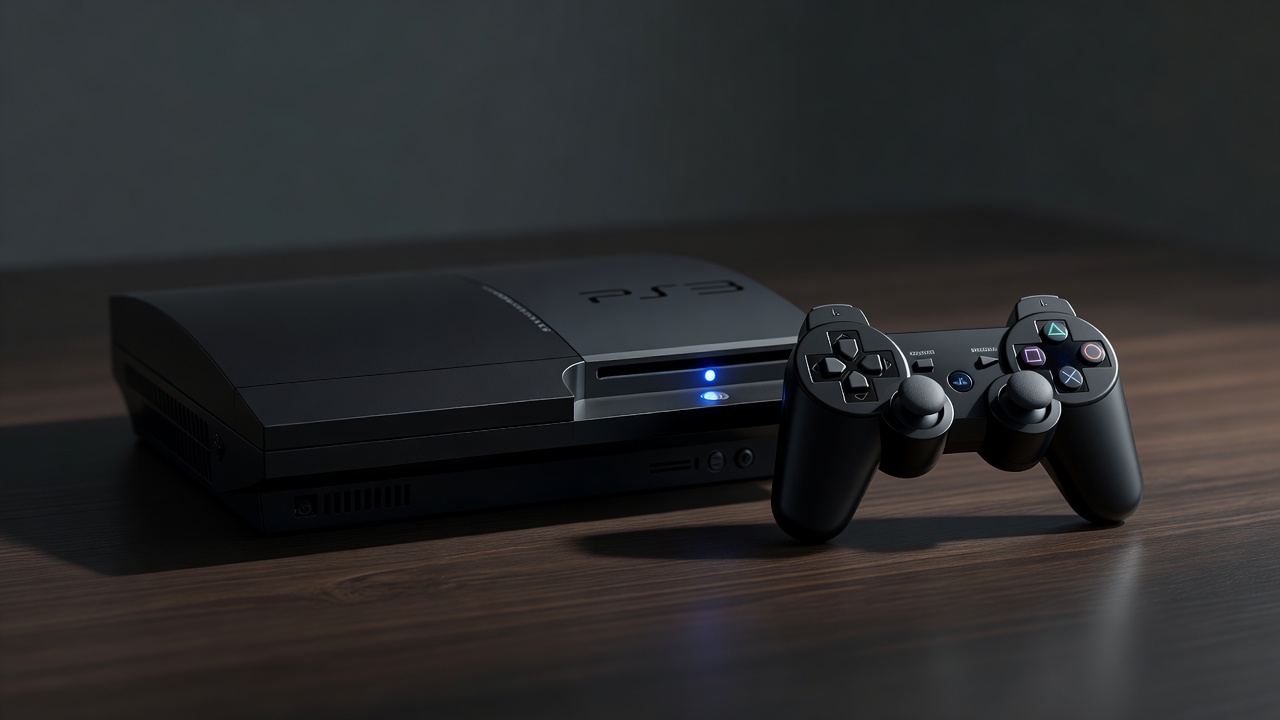
Launched in late 2006, the PlayStation 3 was Sony’s most ambitious hardware gamble. Powered by the Cell Broadband Engine jointly developed by Sony, Toshiba, and IBM (STI), the console functioned closer to a supercomputer terminal than a standard consumer console.
CELL ARCHITECTURE OVERVIEW
+ 1x Power Processing Element (PPE) @ 3.2 GHz
+ 8x Synergistic Processing Elements (SPEs) [7 Enabled]
+ RSX 'Reality Synthesizer' GPU based on NVIDIA NV47 @ 500 MHz
+ 256 MB System XDR RAM + 256 MB GDDR3 VRAM
Visual Achievements Born from Hardship
While the asymmetric memory structure posed steep learning curves for multiplatform studios early in the generation, first-party studios learned to offload heavy post-processing, physics simulation, and dynamic lighting onto the raw floating-point strength of the SPEs.
Titles like Uncharted 2: Among Thieves, God of War III, Metal Gear Solid 4: Guns of the Patriots, and The Last of Us demonstrated photorealistic rendering and volumetric lighting effects that challenged early 8th-generation consoles.